Архив за месяц: Июль 2025

Памятник Анне Зеленовой в Павловске

GRATITUDE OF GENERATIONS TO THE GUARDIAN OF ETERNITY (V.E. GOREVOY. MONUMENT TO A.I. ZELENOVA IN PAVLOVSK)

  1. Idea of Creating the Monument to A.I.Zelenova
  2.  The Idea of Work on the A.I.Zelenova Monument
  3. The Beginning of the Commemoration of A.I.Zelenova’s Memory
  4. The Activities of Public Organizations in the City of Pavlovsk Focus on Realizing the Concept of Creating a Monument to A.I.Zelenova
  5. The Correctness of the Choice of the Final Version of the Monument to A.I.Zelenova
  6.   Completion of the A.I.Zelenova Monument by the Students of V.E.Gorevoi
  7. The Impotrance of A.I.Zelenova Monument for St.Petersburg and Pavlovsk

This inscription is found on the base of the monument honoring Anna Ivanovna Zelenova, the legendary director of the State Museum-Reserve «Pavlovsk.» The phrase “legendary director” is a relatively recent way to describe her. During the Great Patriotic War and the difficult years that followed, Anna Ivanovna and her team, along with their dedicated researchers, never saw their work as legendary. They simply saw it as their responsibility—to protect priceless works of art for our culture and for generations yet to come.

Their unwavering devotion to preserving these treasures speaks to a deep respect for heritage and history, highlighting the vital role of cultural preservation in times of crisis. The monument stands as a lasting tribute to their courage and selflessness, ensuring that the rich legacy of art and history remains alive to inspire and educate those who follow. [1]

Надпись на постаменте памятника Анне Ивановне Зеленовой в Павловске

The monument dedicated to Anna Ivanovna Zelenova in the town of Pavlovsk. Inscription

1. Idea of Creating a Monument to A.I. Zelenova

The idea of creating a monument to Anna Ivanovna Zelenova took more than two decades to come to life. For years, a common stereotype surrounded museum employees: modest, quiet, often shy individuals who served as guides to the world of knowledge. Unlike military leaders, public figures, or renowned artists, they rarely gained widespread recognition.

In the early 2000s, Vladimir Emilevich Gorevoy, a sculptor and member of the Russian Academy of Arts, was asked to create a tribute to the director of the Pavlovsk Museum. He was taken aback. By then, Gorevoy had an impressive body of monumental work under his belt, including the «Partisan Glory» memorial in Luga and statues of notable figures like F.E. Dzerzhinsky and Nikolai Ostrovsky. Yet, he knew very little about Anna Ivanovna Zelenova.

Памятник А.И.Зеленовой в Павловске. Фрагмент. Скульптор В.Э. Горевой

The monument to Anna Ivanovna Zelenova in Pavlovsk  (a fragment) Sculptor V.E. Gorevoi

His perception of museum staff might have remained unchanged if it weren’t for his growing friendship with the Pavlovsk Museum team. This connection began when Nikolai Sergeyevich Tretyakov, who led the museum from 1997 to 2012, invited Gorevoy to various events. Through these encounters, he learned about Anna Ivanovna—a woman who appeared delicate but possessed extraordinary strength. After the war, she took on the enormous challenge of restoring the Pavlovsk Palace and Park, a task that many men might have shied away from.

Памятник Анне Ивановне Зеленовой в Павловске. Скульптор В.Э. Горевой

The monument to Anna Ivanovna Zelenova in Pavlovsk  (a fragment) Sculptor V.E. Gorevoi

Gorevoy found it remarkable that a woman had held such a demanding leadership role. At that moment, Vladimir Emilevich thought to himself, «How remarkable it is for a woman to be the museum director and accomplish such an immense amount of work!» But the story he had just heard didn’t simply pass as a fleeting curiosity; it stayed with him. Later, when speaking to the Culture Channel, he admitted that it was not anyone else but Adelaide Sergeeva Yolkina, the museum’s collections curator at the Pavlovsk State Museum-Reserve, who had actively encouraged him. He jokingly described her as an «art historian with a bulldog grip.» She was deeply determined that people should know and remember Anna Ivanovna, who had been her spiritual guide.

Around the same time, Adelaida published her memoir, «Do This for Me.» The book was heartfelt and carefully crafted, enriched with numerous photographs and archival materials. Her dedication to preserving Anna Ivanovna’s legacy was more than a personal mission; it became a valuable contribution to the cultural heritage of the museum. Adelaida’s passionate commitment reminds us of how vital it is to honor and celebrate those who shape our understanding of art and history. [2]

2. The Beginning of Work on the A.I. Zelenova Monument

The idea for the monument began with a sculptural portrait of a young woman, just over a meter tall. Gorevoi later developed this initial piece into the final design. Vladimir Emilevich drew inspiration from a pre-war photograph of Anna Ivanovna. In the image, the 29-year-old museum director is seated on a step ladder beside a bookcase. Pausing briefly from her work, she seems poised to reach for another volume from the shelves of the historical library in Pavlovsky Palace.

Скульптурный портрет Анны Ивановны Зеленовой. Автор В.Э.Горевой

Sculpture portrait-sketch of A.I. Zelenova monument. Kept in the Pavlovsk Palace-Museum

The sculptor chose to capture this intimate moment from a museum worker’s daily routine. He carefully rendered every detail—Anna Ivanovna’s clothing, hairstyle, glasses, and even the ladder steps, modeled after those designed by Karl Ivanovich Rossi, the library’s namesake. The scene is portrayed with documentary accuracy: during the years before and during the war, Anna Ivanovna diligently took notes, studied, and sketched exhibits. These notes and drawings later became the cornerstone of her approach to restoring historical monuments, playing a crucial role in bringing the palace’s decor, sculptures, and interiors back to life.

Памятник Анне Ивановне Зеленовой в Павловске. Скульптор В.Э. Горевой. Фрагмент

The monument to Anna Ivanovna Zelenova in Pavlovsk  (a fragment) Sculptor V.E. Gorevoi

3.The Beginning of the Commemoration of A.I. Zelenova’s Memory

Adelaide Sergeyevna held a deep admiration for the portrait, which sparked more frequent conversations about creating a monument in her honor. Although the artist had not yet been selected, efforts were already underway to find a suitable location for the memorial sculpture. Federal regulations prohibited placing it in the park, so in 2013, to mark the 100th anniversary of A.I. Zelenova, a commemorative plaque with an informational inscription was installed by a bench in the central zone of the Park. The plaque highlighted how much Anna Ivanovna treasured that particular spot, where she would often relax after work alongside her mother, Anna Timofeyevna. The view from there is stunning—many artists would describe it as a perfect “postcard” scene, featuring stone vases and marble lion statues on the Italian staircase, the valley of the Slavianka River, and the elegantly balanced the Temple of Friendship designed by Charles Cameron.

Павловский парк. Вид на реку Славянку и Храм Дружбы. Примерно здесь находилась любимая скамейка Анны Зеленовой

Anna Ivanovna Zelenova’s favorite bench was located around here.

About a year later, the plaque was taken down and a new site for the monument was selected outside the park. The chosen location was on Sadovaya Street, nestled between the Church of Mary Magdalene and the old palace greenhouses, now in ruins. A foundation stone was laid on a hill that offers a clear view of the palace and park, especially during winter. This spot once hosted a two-story building typical of Pavlovsk’s late 19th to early 20th-century architecture, though today only fragments of its stone foundation remain hidden among lilac bushes. Remarkably, this building survived the war and initially served as the museum’s administrative offices on the first floor, with the director and staff occupying the second.

Памятная мемориальная доска на месте, где находилась первая дирекция Павловского музея-заповедника

The memorial plaque on the place where located the house.On its  first floor was the museum’s administration, the second floor was home to A.I. Zelenova.

As V.E. Gorevoy recalled, A.S. Yolkina remained steadfast in her dedication to bringing the memorial to life. Even while hospitalized and shortly before her death, she reached out to Vladimir Emilevich, urging him to ensure the monument was completed. The artist promised to support her and the museum, though he was unprepared for her passing so soon after. Feeling bound by his word, he knew he had no choice but to see the project through to the end.

4. The Activities of Public Organizations in the City of Pavlovsk Focus on Realizing the Concept of Creating a Monument to A.I. Zelenova

Over time, the concept of honoring Anna Zelenova began to take clearer shape, driven by various public organizations. The initiative started with the Society of Pavlovsk Lovers and later expanded to include the group «Beautiful Pavlovsk.» In 2015, the Culture and Leisure Center «Pavlovsk» hosted an exhibition featuring models for a potential monument.[3]

The portrayals of Anna Zelenova varied greatly, some offering quite unique perspectives. One artist showed her as a young museum director, dressed in a light summer dress just above the knees. Another depicted her as a mature, dignified woman sitting leisurely on a classic post-war Soviet bench, relaxed and unhurried as if enjoying a vacation. Those who knew Anna Ivanovna noted that she was never one to stay still for long and certainly did not fit the image of a conventional office director.

One of the more stylized interpretations seemed influenced by heroines from 1950s Soviet cinema, showing her in a bronze statue pose with a determined look and purposeful stride, as if battling the wind. This version felt somewhat formal and distant. In the end, Vladimir Emilievich Gorevoy’s sketch won the competition, earning both artistic praise and the affection of viewers. Its depth and realism struck a chord with many, including those who had known Anna Ivanovna and shared in the challenges of rebuilding Pavlovsk after the war.

5. The Correctness of the Choice of the Final Version of the Monument to A.I. Zelenova

The decision to choose Gorevoy for the final design of the monument to A.I. Zelenova was far from coincidental; it reveals a profound connection between two extraordinary individuals, even decades apart. Both Anna Zelenova and Vladimir Gorevoy dedicated themselves wholeheartedly to their art, each excelling in their own right. They shared a steadfast determination and a relentless pursuit of high artistic ideals. Their deep patriotism and commitment to improving their homeland—especially the great city of St. Petersburg-Leningrad—were central to their lives.

Anna Ivanovna, along with her like-minded peers, worked tirelessly to restore the ravaged palace and park complex in Pavlovsk. Meanwhile, Vladimir Emilievich devoted his career to honoring Russia’s notable figures through his sculptures. His works, skillfully shaped from stone, bronze, and marble, vividly bring the country’s history to life. For Gorevoy, St. Petersburg is more than a city of world importance; it is the perfect backdrop for monuments—sculptures that serve as a stone chronicle, telling epic stories. The characters in Gorevoy’s work all have rich, intertwined biographies connected deeply to their grand, imperial hometown. This philosophy was the heart of his artistic vision.

6. Completion of the A.I. Zelenova Monument by the Students of V.E. Gorevoy

Tragically, the sculptor passed away in June 2019, just before the unveiling of the world’s first monument honoring a museum curator.[4] Yet, his vision lived on through the dedication of his skilled students. Vladimir Emilievich generously shared his expertise and artistic passion at the St. Petersburg Academy of Fine Arts, where he taught for many years. This first-ever monument to a museum curator became a genuine symbol of public support, with community-raised funds covering the costs of materials and installation.
Sculptors Andrey Martyanov and Rustam Igamberdiyev took on the task of enlarging the original model and bringing the monument to full scale, working without pay in the spirit of their mentor.[5],  The rights to the monument’s creation were entrusted by V.E. Gorevoy’s widow, Tatyana Karmasheva, to the public organization «Beautiful Pavlovsk.»

During the course of the project, the monument’s location was changed. While the initial site had historical significance, the new placement offers better accessibility for visitors to the park. The previously unnamed square was renamed in honor of Anna Zelenova and is nestled between Konyushennaya and Hospitalnaya streets.

Today, this spot serves as a central focal point. The sculpture, standing nearly life-sized at two meters tall atop a 1.5-meter pedestal, blends seamlessly with its environment. It commands attention from every angle, with every detail thoughtfully arranged to convey its story. Nearby trees provide a natural backdrop, especially striking in early spring and the golden hues of autumn. The nearby former palace stables frame the monument with a classical arch, adding to its visual impact.

In addition, the monument is situated close to several historic landmarks, including the Grand Pavlovsk Palace, the Church of Mary Magdalene, and the Iron Gates designed by K.I. Rossi, enriching the cultural landscape of the area. [6]

7. The Importance of A.I. Zelenova Monument for St. Petersburg and Pavlovsk

To sum up, the creation and unveiling of A.I. Zelenova monument represent a meaningful chapter in the history of our country, as well as for St. Petersburg and Pavlovsk.

Firstly, the city has gained a remarkable piece of art, crafted with great skill and professionalism. Beyond its artistic value, the monument serves an educational role, inspiring visitors to explore the recent history of the museum-reserve more deeply. Most importantly, it stands as a powerful reminder that significant achievements are not only made on battlefields but also through the dedicated work of individuals whose contributions often go unnoticed by the wider public. For the sculptor, Anna Zelenova herself became a figure with a compelling life story.

Her accomplishment reflects the enduring spirit of the people, and she stands as a proud symbol of that resilience. May the bronze statue of Anna Ivanovna Zelenova welcome and bid farewell to countless generations visiting the Pavlovsk Museum-Reserve—a place of natural beauty and exceptional artistry.

[1] My article «The Wonders that Art Around Us» focuses on the post-war history of the Pavlovsk Palace Museum and the work of A.I. Zelenova and her colleagues.

[2] Елкина А.С.  Сделайте это для меня. – Санкт-Петербург: Знание, 2005

[3] In 2013, public organizations in Pavlovsk appealed to the governor of St. Petersburg for funding to install a monument but were denied. The request was declined as no budget funds are allocated for the installation of stone and bronze monuments.

[4] The monument to A.I. Zelenova in Pavlovsk was unveiled on May 18, 2022, coinciding with International Museum Day.

[5] The team of sculptors received professional consultations from G.D. Yastrebenecky, a corresponding member of the Russian Academy of Arts and a distinguished artist of the RSFSR.

[6] O.S. Romanov is the author of the architectural design of the A.I. Zelenova monument.


Literature and Website References

  1. Елкина А.С. Сделайте это для меня. – Санкт-Петербург: Знание, 2005
  2. Massie, Suzanne. The Life of a Russian Palace. Heart Tree PR, 1990
  3. https://pushkin.spb.ru/photogallery/the-opening-of-the-exhibition-of-projects-of-a-monument-to-anna-ivanovna-zelenova.html For information about the unveiling of the monument to Anna Ivanovna Zelenova, visit this link.
  4. http://pages-zg.ru/?p=6132
  5. https://peterburgru/restplaces/pamyatnik-a-i-zelenovoy-31236.html
  6. https://rusmir.media/2012/01/01/skulptor
  7. https://www.rah.ru/the_academy_today/the_members_of_the_academie/member.php?ID=51448 Sculptor Vladimir Gorevoi
  8. https://pavlovskmuseum.ru/news/calendar/2746/   Check out the Pavlovsk Museum’s news on their calendar.
  9. https://www.youtube.com/watch?v=vzgri7YGlOg You can watch an interview with sculptor Vladimir Gorevoy in St. Petersburg Meetings, Part 2 on YouTube.
  10. https://www.youtube.com/watch?v=zYro_caNzI8 Sculptor Vladimir Gorevoi about A.I. Zelenova
  11. For more about A.I. Zelenova, see his interview here and N.N. Gromov’s memories of V.E. Gorevoy here.
Пленэр на факультете архитектуры Сакнт-Петербургской академии художеств им. И. Репина. Преподаватель Е.В.Малых

A one-day outdoor workshop focused on painting and drawing, designed specifically for architecture students. Guidance on how to approach and organize the creative process, along with practical tips to help students make the most of the experience.

  1. Summer is the time for open air painting sessions
  2. Wnat to bring for plein air painting and drawing sessions

2. Exploring the remarcable monuments of Veliky Novgorod outdoors. Novgorod Kremlin 

3. Outdoor workspaces. The Trade Side of Novgorod

4.  Looking for workspaces.Some features of depicting architectural objects

5. Managing your time effectively

6. Understanding the traits of various art forms. Some practical advice

7.  Summary

1. Summer is the time for open-air painting sessions

The first two months of summer—June and July—are devoted to plein air sessions at the St. Petersburg Academy of Arts named after I. Repin. For first-year architecture students, the experience of working outdoors is unique because it combines assignments within the city with trips outside its limits, including visits to Staraya Ladoga, Vyborg, and Veliky Novgorod.

These full-day bus trips require thoughtful preparation to make the most of the time available. Understanding the particular character of each excursion is key to a rewarding experience. Every destination presents its own opportunities for artistic creativity and architectural study, giving students a chance to connect with diverse historical settings and landscapes.

2. What to Bring for Plein Air Painting and Drawing Sessions

Before heading out, the art instructors from the Faculty of Architecture gather the students to share important tips for working outdoors beyond Saint Petersburg.

The top priority for everyone is to pack all the essential art supplies and tools needed for the project. Since many students aren’t used to painting outside, they’ll need to adjust quickly to changing light conditions and sometimes unpredictable weather. Being prepared to manage on their own while away from home is key.

With that in mind, students should make sure to bring the following items:

  1. Special Artist’s Umbrella

    This umbrella offers a perfect solution for artists who want to capture interesting scenes without being bothered by direct sunlight, especially when natural shade like tree canopies, building awnings, or arches aren’t available.

    By blocking the harsh glare of the sun, it helps maintain a clear view of the work surface and opens up new possibilities for exploring compositions where subjects are backlit, highlighting their striking silhouettes. With this tool, artists can concentrate fully on their craft, confident that lighting won’t disrupt their creative process.

  2. Folding Chair

    Compact and easy to carry, the folding chair lets you settle comfortably wherever you choose to work, without the need to hunt for a place to sit. No more relying on benches, fallen logs, tree stumps, or uneven patches of ground.

    This adaptable chair lets you set up shop wherever inspiration finds you. Whether you’re in a park, by the shore, or along a hiking path, it’s the ideal companion for taking a break or getting things done.

  3. Easel

    When traveling, it’s ideal to bring along a medium-sized easel, especially one with adjustable legs. This type of easel not only holds your brushes, paints, palettes, and other essential art supplies but also acts as a compact, portable workspace perfect for painting outdoors.

    Such an easel lets you set the height just right and provides sturdy support, so you can work comfortably no matter where you are. Its lightweight and adaptable design make it easy to carry, making it a smart pick for plein air painting or art trips. Investing in a quality easel can really improve your experience, giving you a dependable base to create beautiful artwork in natural settings.

    With the right easel, artists can fully engage with their environment, effortlessly capturing landscapes and scenes. Whether you’re just starting out or have years of experience, a well-crafted medium easel is an essential tool that boosts creativity and makes painting outside truly enjoyable.

  4. Solid Base for Watercolor

Having a solid base for watercolor painting is crucial to getting the best outcome. This could be a tablet or a sketchbook designed with thick, detachable sheets of paper. A strong surface offers the support needed when working with watercolors, helping your brush glide more easily and giving you greater control over your strokes.

5. Painting materials including watercolor, gouache, and tempera.

Within the art programs at the Faculty of Architecture, oil paints are not used.

6. Keep a Small Container of Water on Hand.

This will be useful in situations where there may not be a nearby source to replenish your supplies or wash off dirty brushes.Having water readily available ensures that you can maintain cleanliness and efficiency while working.

7. Graphic Materials:

  • Pencils
  • Sepia
  • Gel Pen
  • Thick Marker
  • Raw Sauce

These drawing tools are selected depending on the nature of the work—whether it’s a quick sketch, a detailed drawing, or a finished piece. While the pen is a fascinating medium that opens up many creative possibilities, it’s not ideal for plein air work because it tends to be time-consuming. However, it works wonderfully for studio projects, where artists can develop landscapes, drawings, and architectural details based on outdoor sketches.

Pencils are incredibly versatile and perfect for fast, spontaneous sketches. Sepia brings warmth and richness, adding depth to the artwork. Gel pens offer smooth, clean lines and vibrant colors, making them great for intricate details. Thick markers create bold, eye-catching strokes that provide strong contrast. Raw sauce, though less conventional, can introduce interesting textures and is often used in mixed media pieces. Each tool has its own unique qualities, so choosing the right one depends on the desired result.

8. Paper

Paper choice varies depending on the location or the specific task at hand. Some common types include:

  • Colored paper
  • Tinted paper
  • Textured paper, such as torchon
  • Watercolor sketchbooksThe last option is especially useful since it combines a reliable surface with a convenient source of paper for watercolor work. When working outdoors, organizing your workflow is crucial. A typical open-air workday lasts around six hours, usually from 11:00 AM to 5:00 PM. Within this period, students should aim to complete at least ten drawings, paintings, or sketches. To make the most of this time, it’s important to have a solid grasp of the area, the subjects, and the environment. A good approach is to explore the site with an instructor ahead of time and pinpoint the best spots to work from.

2. Exploring the Remarkable Monuments of Veliky Novgorod Outdoors. Novgorod Kremlin

Begin your visit with a leisurely walk through the ancient Novgorod Kremlin, once known as Detinets. This historic site instantly transports you back to medieval times and beyond. The architectural and artistic treasures here, spanning from the 11th to the 19th centuries, offer a vivid glimpse into the past.

Among the highlights for today’s visitors are several structures from the Kievan Rus period: St. Sophia Cathedral, the Archbishop’s Chamber along with its courtyard, the Chasozvonya bell tower of St. Sophia, and Nikita’s Corps. All these landmarks are close to one another, making it easy to explore on foot.

The variety of monuments presents a wonderful chance to capture striking scenes through their unique shapes and outlines, enjoy sweeping views, admire intricate architectural details, compare different textures, and see how artistic expression shapes design. Ultimately, these sites allow you to follow the development of ancient Russian architecture in a truly tangible way.

3. Outdoor Workspaces: The Trade Side of Novgorod

Just across the Volkhov River lies the Trade Side of Veliky Novgorod, a district rich with historical architecture. Here, you’ll find notable landmarks like the Church of St. Paraskeva on the Trade, the Nikolsky Cathedral, and the famous Church of the Transfiguration on Ilyina Street, which is decorated with frescoes by Theophanes the Greek. The Gostiny Dvor, with its bright white arcade, seems to set the tone for the whole architectural ensemble.

From this vantage point, visitors are treated to a sweeping view of the Volkhov River and the Sofia Side across the water. If you wander down below Yaroslav’s Court, the nearby streets and narrow alleys reveal charming examples of both private and public buildings dating from the 19th and early 20th centuries.

On a warm, sunny day, the area offers plenty of shaded spots, perfect for avoiding glare on sketchbooks or drawing pads. It’s an inviting place for artists and creative souls to settle in, work, and draw inspiration from the surroundings.

4.Looking for Workspaces. Some Features of Depicting Architectural Objects

Ideally, the drawing surface should be positioned in partial shade; direct bright light on the paper tends to make the drawing appear too dark.

Architectural elements can be illustrated in different ways depending on the purpose—sometimes shown within a sweeping panoramic view, other times tucked away inside a quiet courtyard.

While many landscape artists today frequently use photographs as a reference, it’s important not to become overly dependent on them. Photography is a helpful aid, but it shouldn’t dictate the entire process. For example, when needing to remember the specifics of an architectural detail, a photo can serve as a quick guide.

What truly matters is interpreting and adapting these images rather than copying them exactly. This approach brings a personal dimension to the work, enriching the final piece. Striking a balance between faithful representation and creative interpretation often results in more engaging and meaningful representations of architecture.

5. Managing Your Time Effectively

One of the biggest challenges in outdoor plein air work is the limited time available, which makes choosing your location especially important for staying productive. Instead of moving around to capture different scenes, try focusing on a single spot and explore it through various techniques like painting or drawing. This way, you save valuable time and can complete the number of sketches or watercolors needed for your final project without rushing.

Taking the time to plan ahead helps you get the most done while keeping distractions to a minimum. Before you head out, scout potential locations that offer a range of interesting views or subjects. That way, you can switch between different methods without having to relocate. Setting clear goals for each session—whether it’s the number of pieces you want to finish or specific techniques you want to work on—can also keep you focused and motivated.

By approaching your outdoor sessions with this kind of preparation, you’ll use your time more efficiently and enjoy a richer creative process.

6. Understanding the Traits of Various Art Forms and Practical Advice

The goals behind graphic art differ significantly from those in watercolor, gouache, or tempera painting. When working on drawings, it’s important to select scenes with minimal shadows or position the light source behind the subject to create a backlit effect. In this approach, a strong grasp of shape and silhouette is key.

On the other hand, painting usually benefits from starting with the shadows. Establishing these tonal areas early on helps to build depth and guides the application of color more effectively.

Quick sketches of objects deserve special attention. While it’s important to spend some time on these studies, the majority of effort should be reserved for more polished, finished pieces.

Both painting and graphic assignments should stay within an A4 size limit due to time constraints. Striking a balance between a polished finish and the spontaneous feel of working outdoors is crucial—capturing freshness without overworking the details or making the piece feel stiff.

7. Summary

After each trip, usually once a week, we hold classroom consultations. These sessions prove to be very valuable for both professors and students. Professors get a clear overview of the group’s work, while students can reflect on their progress and prepare questions for the instructor in advance.

This approach helps highlight strengths and areas needing improvement, making it easier to get ready for the final exhibition of the summer practice.

The summer plein air program at the architecture faculty is unquestionably important in many respects. It helps students develop key skills, expand their outlook, and improve their handling of artistic tools and materials. Altogether, these experiences play a crucial role in shaping a unified aesthetic vision for their future independent architectural projects.

Special emphasis should be placed on quick sketches of objects. Although some time should be devoted to these exercises, most effort needs to be directed toward finished pieces.

Both painting and graphic assignments should be done on A4-sized paper or smaller, as there is limited time for final touches. It’s important to find a balance between completeness and preserving the fresh, spontaneous feeling of plein air work, avoiding overworking details or making the pieces look too stiff.

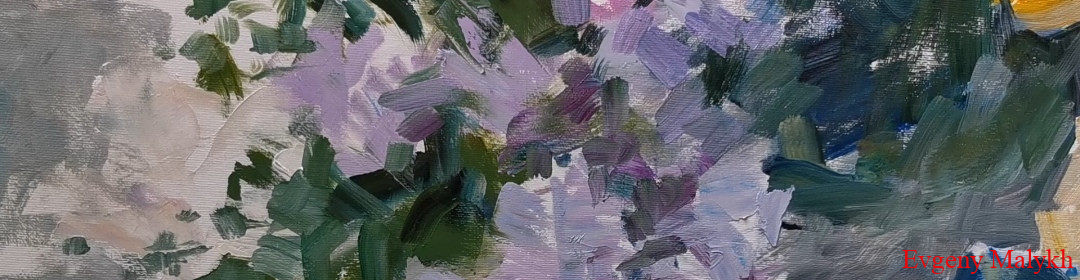
На пленэре. Павловский парк. Художник Евгений Малых

Some essential practical tips for working outdoors, or en plenair


  1. Stepping outside marks the beginning of a creative adventure
  2. What’s plenair?
  3. Before you venture out into the world?

4. Conclusions

Summer has arrived, bringing with it longer days and a burst of vibrant life in nature. The fresh air beckons everyone—whether for a stroll, some gardening, or a quiet afternoon fishing—each person finds their own way to enjoy it. For artists, this warm season signals the start of plein air painting, an opportunity to step outside the walls of home or studio and create directly from the open environment. The phrase «plein air» comes from French, meaning «in the open air.»

For those who paint or draw outdoors, the work can take many forms, ranging from focused exercises on tone and color to fully realized pieces inspired by the natural world. Both the joy of creating and the success of the finished artwork often come down to applying the right techniques.

Below, you’ll find some essential tips to help improve your outdoor art practice. If these resonate with your own experience painting or drawing from life, I’d love to hear your thoughts or any advice you might want to add.

Let’s keep the conversation going!

1. Stepping outside marks the beginning of a creative adventure

For centuries, artists have turned to plein air painting, drawing inspiration directly from nature. This engaging and somewhat enigmatic practice opens up fresh creative possibilities. Let’s lift the curtain on this process and discover how painting outdoors can sharpen your ability to capture color and light.

Plein air painting attracts both experienced artists and beginners who want to enjoy the artistic journey. In this article, I’ll explain what plein air painting is and share practical tips for those just starting out. You’ll learn how to get going, select the right composition, and train your eye to observe nature more accurately and deeply.

Diving into plein air painting will heighten your awareness and deepen your appreciation for the world around you. Painting outside not only builds new skills but also brings the pure pleasure of creativity to life.

Пейзаж на картине и реальный вид Павловского парка

Павловский парк Pavlovsk Park

2. What is plein air?

Plein air painting means creating art outdoors, with a focus on capturing natural light as it changes throughout the day. This approach can include landscapes, everyday scenes, or even still life subjects. Unlike working in a studio where artists often rely on sketches or models, plein air requires direct observation and interaction with the environment.
The practice became widely popular thanks to the French Impressionists, who brought it into the spotlight. Its rise was also helped by practical innovations like portable paint tubes and easels, which made painting outside much easier.
Painting en plein air calls for particular skills, especially the ability to quickly capture shifting colors and light. Artists who work this way often aim for lively, fresh compositions that reflect the unique qualities of a moment. It sharpens your ability to observe closely and to translate the atmosphere and mood of a scene onto the canvas.

Plein air painting attracts both experienced artists and beginners who want to dive into the creative process. In this article, I’ll explain what plein air is all about and share helpful tips for those just starting out. You’ll learn how to begin, how to select compelling compositions, and how to train your eye to see nature more clearly.

By painting outdoors, you’ll deepen your connection to the world around you, improve your skills, and find joy in creating something truly your own. It’s a rewarding way to see and appreciate the beauty in everyday moments.

Художественные материалы для пленэра

3.Before you venture out into the wide, open world filled with light and air, there are a few things worth knowing. Here are some practical pointers to help you get started:


1. Choose Your Materials

When it comes to paints, any type can work for plein air painting. However, it’s recommended to start with gouache. This medium mixes well with water, dries quickly, and offers excellent coverage. Unlike watercolor, gouache is more adjustable, making it easier for beginners. Watercolor requires a certain level of skill and precision; mistakes can be harder to correct without damaging the paper.
For beginner artists, an optimal paper size is 15×20 cm. A wide brush, around 3 cm in width, is ideal for broader strokes, while narrower brushes can be used for fine details. Look for special watercolor paper and sketchbooks, which are also suitable for gouache.

2. Choose your location

Both urban and natural settings provide an abundance of subjects for plein air painting and drawing. Trying out different places and styles can help you figure out what truly inspires you. If busy, crowded areas make you uneasy, it’s best to avoid them. In those situations, wearing headphones can help create a personal space and reduce unwanted distractions from people passing by.

There’s also a useful way to connect with potential buyers: carry business cards. This makes it easy for interested viewers to contact you later, helping to build relationships that might turn into future sales. Take advantage of every chance to improve your skills and find inspiration in diverse environments. Enjoy the process of discovering new places and expressing your creativity through your art.

3. First, decide on the subject you want to portray

After selecting your location, take the time to thoroughly explore the surrounding area. Seek out captivating elements like objects bathed in beautiful light or groups of trees that catch your eye. Remember, lighting can change quickly, so managing your time wisely is important. If you only have about thirty minutes, choose a simpler scene to work on.

Don’t be afraid to zoom in on smaller details. Before you begin painting, snap several photos to help you finish the piece later at home, whether you’re working with oils, watercolors, or gouache. With good lighting and a bit of preparation, you’ll be able to capture those fleeting moments and focus on the finer details. This way, you’ll be able to bring out the true atmosphere of the place. The most indispensable thing is to take your time and concentrate on what genuinely moves you.

4. Having the right mindset and a well-organized workspace is key to producing your best work

Set up your art supplies, so everything is within easy reach. Your easel should hold all the essentials: paper or canvas on a frame, a palette, a towel, or cloth, a water container, and a few tubes of paint.

To keep your flow steady and avoid interruptions, squeeze out the main colors onto your palette before you begin. Mix them ahead of time so you’re ready to go once you start painting.

This way, you can stay fully immersed in the creative process without being distracted by small details. It not only helps you work more efficiently, but also makes the whole experience more enjoyable. Taking a few extra minutes to prepare your space will definitely pay off in the end.

5. Organizing space effectively within your chosen format is key to creating a compelling composition

Start by using your fingers to frame the scene, helping you spot an interesting subject. Once you’ve picked your focus, transfer it onto your canvas or paper and sketch it lightly with a pencil.

It’s helpful to divide your workspace into three equal sections. Keep your lines clean and avoid overworking them, as too many marks can weaken the overall composition. The more deliberate and confident you are in arranging the space, the better chance you have of producing a balanced and harmonious piece.

Make sure to leave enough room between elements, so each one can stand out and draw the viewer’s eye. Thoughtful use of space doesn’t just enhance the look of your work—it also enriches its emotional impact. Pay close attention to every detail to bring about the effect you want.

6. Start by looking at the big picture before diving into the smallest details

Start by using the broadest brush you have for as long as you can. This helps you capture the overall shapes and prevents you from getting caught up in small details too early. Pay attention to how the colors interact with each other to better understand and judge them.

When you feel the wide brush no longer serves the purpose, move on to a smaller one. Don’t hurry into switching to a very fine brush right away; first, consider whether adding more detail is really necessary for what you’re working on.

7. Pay Close Attention to Color in Nature

For those just starting out, recognizing colors can be surprisingly tricky. It’s easy enough to tell red from blue, but when you’re faced with subtle blends of browns, grays, and purples, things get more complicated. Shadows don’t always read the same either—they might feel warm, cool, or somewhere in between. There aren’t any hard rules here; the key is simply to observe carefully. When needed, adjust the colors thoughtfully, keeping in mind how they actually appear in the natural world.

Spend time examining different settings, noticing how colors change with the light and the seasons. Watch how colors play off one another in various scenes. This kind of mindful observation will deepen your understanding and help you capture those hues more accurately in your own work. Take every chance to soak in the rich color palette nature offers, and let it fuel your creativity.

8. Keep practicing consistently

Not every piece you create will turn out perfect, and that’s completely fine. It depends on what you’re working on and your personal expectations. Try to quiet that inner voice of judgment and take a brief pause. Give yourself permission to shift your attention elsewhere for a bit.

Set up a special space or page just for quick sketches, playing with colors, and experimenting with textures. Use bigger surfaces when you want to stretch your creativity further.

Don’t be afraid to combine different materials and techniques—anything you enjoy can spark new ideas. It’s important to explore new approaches and allow yourself to stumble along the way. Each attempt, even those that don’t go as planned, moves you closer to improvement. Embracing experimentation not only sharpens your skills but also makes the whole creative journey more rewarding.

9.Take It One Step at a Time

There’s something truly rewarding about spending an entire day painting outdoors. But often, your time will be limited. Even just a couple of hours can be enough to capture the spirit of a landscape or scene.

If you only have about 30 minutes each day, you’ll need to adapt your approach. Concentrate on the key elements, which will make your work more simplified but also more lively. Working within a short timeframe encourages you to focus on what really matters instead of getting caught up in every little detail.

Use whatever time you have wisely, and you’ll be pleased with what you create. Keep in mind, even a brief stretch of time can lead to something special. You might be surprised at how much you can achieve when you tackle it with the right attitude. Stay focused on your goals and enjoy the process of creating.

Conclusions:

Painting outdoors, or en plein air, is both thrilling and demanding. It’s important to take it seriously and set goals that match your skills. Don’t be discouraged by a sketch that doesn’t turn out as you hoped—mistakes are part of the process, not failures. Blend what you’ve learned in theory with hands-on experience. If you can, seek advice from someone more experienced. Working alongside others who share your passion can also lift your spirits. When you feel ready, share your work with friends or colleagues to get their honest feedback. Above all, remember that it’s regular practice that will make painting outside a truly rewarding experience.

Картина и реальный вид Павловского парка. Художник Евгений Малых

Художник Евгений Малых