Архив рубрики: Советы по пленэру

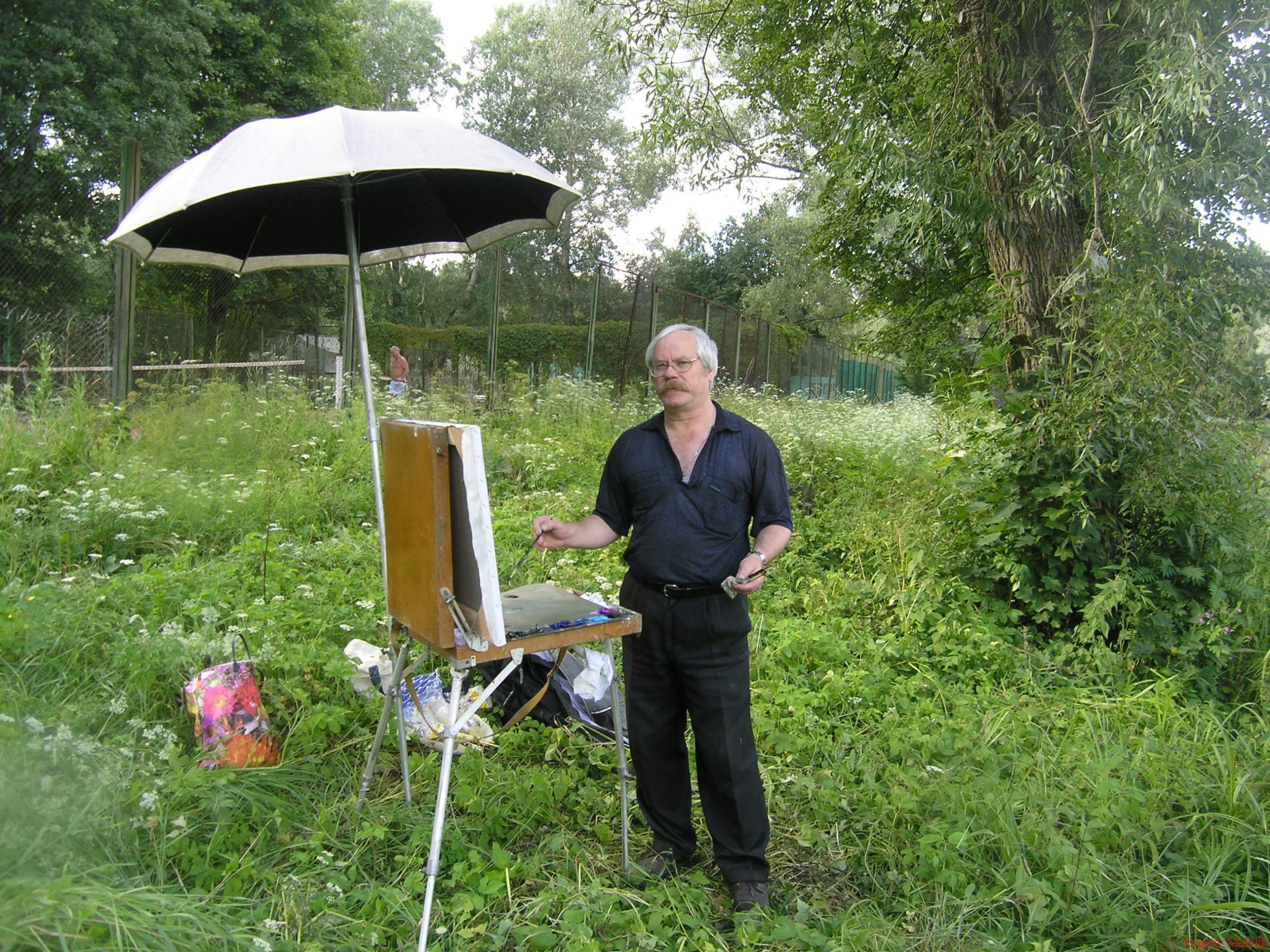
На пленэре. Павловский парк. Художник Евгений Малых

Some essential practical tips for working outdoors, or en plenair


  1. Stepping outside marks the beginning of a creative adventure
  2. What’s plenair?
  3. Before you venture out into the world?

4. Conclusions

Summer has arrived, bringing with it longer days and a burst of vibrant life in nature. The fresh air beckons everyone—whether for a stroll, some gardening, or a quiet afternoon fishing—each person finds their own way to enjoy it. For artists, this warm season signals the start of plein air painting, an opportunity to step outside the walls of home or studio and create directly from the open environment. The phrase «plein air» comes from French, meaning «in the open air.»

For those who paint or draw outdoors, the work can take many forms, ranging from focused exercises on tone and color to fully realized pieces inspired by the natural world. Both the joy of creating and the success of the finished artwork often come down to applying the right techniques.

Below, you’ll find some essential tips to help improve your outdoor art practice. If these resonate with your own experience painting or drawing from life, I’d love to hear your thoughts or any advice you might want to add.

Let’s keep the conversation going!

1. Stepping outside marks the beginning of a creative adventure

For centuries, artists have turned to plein air painting, drawing inspiration directly from nature. This engaging and somewhat enigmatic practice opens up fresh creative possibilities. Let’s lift the curtain on this process and discover how painting outdoors can sharpen your ability to capture color and light.

Plein air painting attracts both experienced artists and beginners who want to enjoy the artistic journey. In this article, I’ll explain what plein air painting is and share practical tips for those just starting out. You’ll learn how to get going, select the right composition, and train your eye to observe nature more accurately and deeply.

Diving into plein air painting will heighten your awareness and deepen your appreciation for the world around you. Painting outside not only builds new skills but also brings the pure pleasure of creativity to life.

Пейзаж на картине и реальный вид Павловского парка

Павловский парк Pavlovsk Park

2. What is plein air?

Plein air painting means creating art outdoors, with a focus on capturing natural light as it changes throughout the day. This approach can include landscapes, everyday scenes, or even still life subjects. Unlike working in a studio where artists often rely on sketches or models, plein air requires direct observation and interaction with the environment.
The practice became widely popular thanks to the French Impressionists, who brought it into the spotlight. Its rise was also helped by practical innovations like portable paint tubes and easels, which made painting outside much easier.
Painting en plein air calls for particular skills, especially the ability to quickly capture shifting colors and light. Artists who work this way often aim for lively, fresh compositions that reflect the unique qualities of a moment. It sharpens your ability to observe closely and to translate the atmosphere and mood of a scene onto the canvas.

Plein air painting attracts both experienced artists and beginners who want to dive into the creative process. In this article, I’ll explain what plein air is all about and share helpful tips for those just starting out. You’ll learn how to begin, how to select compelling compositions, and how to train your eye to see nature more clearly.

By painting outdoors, you’ll deepen your connection to the world around you, improve your skills, and find joy in creating something truly your own. It’s a rewarding way to see and appreciate the beauty in everyday moments.

Художественные материалы для пленэра

3.Before you venture out into the wide, open world filled with light and air, there are a few things worth knowing. Here are some practical pointers to help you get started:


1. Choose Your Materials

When it comes to paints, any type can work for plein air painting. However, it’s recommended to start with gouache. This medium mixes well with water, dries quickly, and offers excellent coverage. Unlike watercolor, gouache is more adjustable, making it easier for beginners. Watercolor requires a certain level of skill and precision; mistakes can be harder to correct without damaging the paper.
For beginner artists, an optimal paper size is 15×20 cm. A wide brush, around 3 cm in width, is ideal for broader strokes, while narrower brushes can be used for fine details. Look for special watercolor paper and sketchbooks, which are also suitable for gouache.

2. Choose your location

Both urban and natural settings provide an abundance of subjects for plein air painting and drawing. Trying out different places and styles can help you figure out what truly inspires you. If busy, crowded areas make you uneasy, it’s best to avoid them. In those situations, wearing headphones can help create a personal space and reduce unwanted distractions from people passing by.

There’s also a useful way to connect with potential buyers: carry business cards. This makes it easy for interested viewers to contact you later, helping to build relationships that might turn into future sales. Take advantage of every chance to improve your skills and find inspiration in diverse environments. Enjoy the process of discovering new places and expressing your creativity through your art.

3. First, decide on the subject you want to portray

After selecting your location, take the time to thoroughly explore the surrounding area. Seek out captivating elements like objects bathed in beautiful light or groups of trees that catch your eye. Remember, lighting can change quickly, so managing your time wisely is important. If you only have about thirty minutes, choose a simpler scene to work on.

Don’t be afraid to zoom in on smaller details. Before you begin painting, snap several photos to help you finish the piece later at home, whether you’re working with oils, watercolors, or gouache. With good lighting and a bit of preparation, you’ll be able to capture those fleeting moments and focus on the finer details. This way, you’ll be able to bring out the true atmosphere of the place. The most indispensable thing is to take your time and concentrate on what genuinely moves you.

4. Having the right mindset and a well-organized workspace is key to producing your best work

Set up your art supplies, so everything is within easy reach. Your easel should hold all the essentials: paper or canvas on a frame, a palette, a towel, or cloth, a water container, and a few tubes of paint.

To keep your flow steady and avoid interruptions, squeeze out the main colors onto your palette before you begin. Mix them ahead of time so you’re ready to go once you start painting.

This way, you can stay fully immersed in the creative process without being distracted by small details. It not only helps you work more efficiently, but also makes the whole experience more enjoyable. Taking a few extra minutes to prepare your space will definitely pay off in the end.

5. Organizing space effectively within your chosen format is key to creating a compelling composition

Start by using your fingers to frame the scene, helping you spot an interesting subject. Once you’ve picked your focus, transfer it onto your canvas or paper and sketch it lightly with a pencil.

It’s helpful to divide your workspace into three equal sections. Keep your lines clean and avoid overworking them, as too many marks can weaken the overall composition. The more deliberate and confident you are in arranging the space, the better chance you have of producing a balanced and harmonious piece.

Make sure to leave enough room between elements, so each one can stand out and draw the viewer’s eye. Thoughtful use of space doesn’t just enhance the look of your work—it also enriches its emotional impact. Pay close attention to every detail to bring about the effect you want.

6. Start by looking at the big picture before diving into the smallest details

Start by using the broadest brush you have for as long as you can. This helps you capture the overall shapes and prevents you from getting caught up in small details too early. Pay attention to how the colors interact with each other to better understand and judge them.

When you feel the wide brush no longer serves the purpose, move on to a smaller one. Don’t hurry into switching to a very fine brush right away; first, consider whether adding more detail is really necessary for what you’re working on.

7. Pay Close Attention to Color in Nature

For those just starting out, recognizing colors can be surprisingly tricky. It’s easy enough to tell red from blue, but when you’re faced with subtle blends of browns, grays, and purples, things get more complicated. Shadows don’t always read the same either—they might feel warm, cool, or somewhere in between. There aren’t any hard rules here; the key is simply to observe carefully. When needed, adjust the colors thoughtfully, keeping in mind how they actually appear in the natural world.

Spend time examining different settings, noticing how colors change with the light and the seasons. Watch how colors play off one another in various scenes. This kind of mindful observation will deepen your understanding and help you capture those hues more accurately in your own work. Take every chance to soak in the rich color palette nature offers, and let it fuel your creativity.

8. Keep practicing consistently

Not every piece you create will turn out perfect, and that’s completely fine. It depends on what you’re working on and your personal expectations. Try to quiet that inner voice of judgment and take a brief pause. Give yourself permission to shift your attention elsewhere for a bit.

Set up a special space or page just for quick sketches, playing with colors, and experimenting with textures. Use bigger surfaces when you want to stretch your creativity further.

Don’t be afraid to combine different materials and techniques—anything you enjoy can spark new ideas. It’s important to explore new approaches and allow yourself to stumble along the way. Each attempt, even those that don’t go as planned, moves you closer to improvement. Embracing experimentation not only sharpens your skills but also makes the whole creative journey more rewarding.

9.Take It One Step at a Time

There’s something truly rewarding about spending an entire day painting outdoors. But often, your time will be limited. Even just a couple of hours can be enough to capture the spirit of a landscape or scene.

If you only have about 30 minutes each day, you’ll need to adapt your approach. Concentrate on the key elements, which will make your work more simplified but also more lively. Working within a short timeframe encourages you to focus on what really matters instead of getting caught up in every little detail.

Use whatever time you have wisely, and you’ll be pleased with what you create. Keep in mind, even a brief stretch of time can lead to something special. You might be surprised at how much you can achieve when you tackle it with the right attitude. Stay focused on your goals and enjoy the process of creating.

Conclusions:

Painting outdoors, or en plein air, is both thrilling and demanding. It’s important to take it seriously and set goals that match your skills. Don’t be discouraged by a sketch that doesn’t turn out as you hoped—mistakes are part of the process, not failures. Blend what you’ve learned in theory with hands-on experience. If you can, seek advice from someone more experienced. Working alongside others who share your passion can also lift your spirits. When you feel ready, share your work with friends or colleagues to get their honest feedback. Above all, remember that it’s regular practice that will make painting outside a truly rewarding experience.

Картина и реальный вид Павловского парка. Художник Евгений Малых

Художник Евгений Малых

На пленэре в Екатерининском парке Царского Села

Working outdoors is an essential step in shaping the skills of aspiring architects. Here are a few thoughts from an instructor on its importance

1.Is plein air really essential in architecture education?

2. Architecture and its meaning

3. Architecture and the perception of space

4. The Role of the artist-instructor in the Learning Process

5. The significance of St.Petersburg’s suburban parks in shaping future architect’s professional education

6. The importance of trees in park landscapes

7. Light and shadow in landscape

8. Choise of artistic materials

9. Sketches as an essential component in plein air practice

10. Plein air: tradition and modernity


1.Is Plein air Painting Really Essential in Architecture Education?

For years, art has been an integral part of the architecture curriculum. Courses like portraiture, landscape, still life, composition, and interior design have long been staples of the educational process. Yet, one might wonder how relevant these traditional art forms remain today. How does watercolor or oil painting, with its roots in classical art academies, connect to designing sleek, modern interiors that rely heavily on technology? And what place do portrait or figure studies hold in the context of contemporary architectural practice?

Plein air painting, in many ways, mirrors the work done by fine arts students—differing mostly in the materials and techniques used. But in a time when architecture is rapidly evolving and embracing unconventional methods, can this historical practice still offer value?
In a previous article, where I examined summer plein air painting, I delved into some crucial aspects of artistic creativity. This process prompts important reflections for educators, especially about how architecture interacts with the natural world. Engaging with the environment through art can deepen students’ insights and help them develop a richer sensitivity to the spaces and contexts they design within.

2. Architecture and Its Meaning

Architecture carries a wide range of meanings and qualities, blending both scientific precision and emotional expression. It can be seen as music turned to stone, or as a story told through physical form. At its core, architecture shapes the world around us by creating organized spaces through buildings and structures that often stand as works of art.

Beyond their practical use, architectural works often act as symbols reflecting social and political ideas. They draw from various visual arts, including grand paintings and sculptures. Architecture isn’t just about providing shelter or planning parks, places of worship, or industrial facilities; it’s also a way for people to connect with and interpret their environment, giving it deeper artistic and natural significance.

To truly master the manipulation of space and form, one must study and deeply engage with these elements. From my perspective, visual arts are essential in this journey, as they deepen our appreciation of architecture and its role within society.

3. Architecture and the Perception of Space

Every project in the architecture faculty—whether it’s sketching plaster heads and figures, designing interiors, creating painted compositions, or working outdoors in summer plein air sessions—is aimed at one central purpose.

I remember my time as a painting student, attending lectures on architectural fundamentals. These classes weren’t just about expanding our artistic knowledge; they were about understanding how to accurately represent buildings and architectural forms. We studied the principles of architectural harmony, which, for us, were as essential as the rules of human proportion.

Modern materials allow architects to bring to life astonishing structures fueled by boundless creativity. Yet, across history, the most important measure—beyond clarity of design and purpose—has always been human scale. This sense of proportion remains the cornerstone of meaningful architecture.

Years of study and hands-on experience teach us to engage deeply with our surroundings—whether through nature, historic landmarks, or cultural traditions. This process guides us from abstract ideas to tangible, thoughtful forms.

4. The Role of the Artist-Instructor in the Learning Process

When teaching artistic subjects, especially during summer art sessions, a unique dynamic takes place. It’s not just about the instructor passing knowledge to the student; there’s a two-way exchange. The artist-instructor starts to see architecture and other creative elements from fresh perspectives, uncovering new insights that influence their own work.

This process depends greatly on how well the instructor prepares themselves. By staying deeply connected to their personal artistic practice and constantly seeking new inspiration, they bring more depth to their teaching and a richer understanding of art overall. This mutual exchange benefits the students, encouraging them to dive deeper into their creativity, while also sparking new ideas and energy in the instructor’s own artistic path. Ultimately, the artist-instructor plays a crucial role—not only guiding the growth of their students, but also renewing their own creative vision along the way.

5. The Significance of Saint Petersburg’s Suburban Parks in Shaping Future Architects’ Professional Education

There is a special joy in immersing oneself in the stunning landscapes of suburban parks. I often take every chance to work outdoors and arrange summer plein air sessions. Certain spots invite me back time and again, encouraging me to capture their character through the changing seasons and shifting light.

Saint Petersburg’s suburban parks are true cultural gems, deeply woven into the fabric of our heritage. They leave a lasting impression on all who visit, offering a timeless testament to artistic expression.

Take, for example, the Cameron Gallery in Catherine Park at Tsarskoye Selo. Designed by Charles Cameron in the 1780s, it was a favorite retreat of Empress Catherine II, especially on rainy days. Nestled where the park’s natural landscape meets its formal gardens, the gallery plays a vital role in the overall design. Its harmonious fusion of architecture and nature reflects an organic presence, with a facade rich in diverse textures and colors.

As the light shifts throughout the day, the gallery reveals new facets—much like Monet’s famed Rouen Cathedral series. Sunlight becomes a creative partner, inviting us to experience the building in fresh ways. On bright days, the contrast of light and shadow highlights the form, the texture of materials, and the building’s very essence. The Pudost stone of the facade, for example, absorbs sunlight and seems to glow with a delicate lightness.

Евгений Малых. Камеронова галерея в Царском Селе. Холст, масло. 70х80 см. 2010

Царское Село.Вид на Камеронову галерею в Екатерининском парке. Художник Евгений Малых

In gentler light, the structure takes on a flatter, more ethereal quality, blending seamlessly into an airy atmosphere. The graceful shapes and subtle color harmony create a poetic mood within the landscape. As evening falls, the warm glow of the setting sun lends a romantic air, connecting us to a distant past and making every architectural detail feel vivid and alive through our eyes.

камеронова галерея. Художник Евгений Малых

Царское Село. Вид на Верхний пруд в Екатерининском парке. Холст, масло. 60х80 см. 2010. Художник Евгений Малых Tsarskoye Selo. The view of Upper Pond in the Catherine Park. Oil on canvas. 60×80 cm. 2010. Evgeny Malykh

6. The Importance of Trees in Park Landscapes

Trees play a vital role in shaping the character of a park, especially when it comes to choosing the right species and forms. In the more formal areas, linden trees are often favored because they respond well to pruning, allowing them to be sculpted into a variety of geometric shapes.

On the other hand, oaks bring a different kind of charm with their distinctive branches and trunks, as well as the special texture and look of their leaves. They help create a romantic, almost timeless feel, blending the park’s design with a sense of natural authenticity that reflects how humans interpret and recreate nature.

In essence, trees do more than just beautify a park—they help define its character and create a sense of unity between the crafted landscape and the natural world. Thoughtful selection and placement of trees allow landscape designers to shape not only the look of a park but also the mood and experience it offers to visitors.

7. Light and Shadow in Landscape

Light and shadow play a vital role in how architecture is artistically portrayed, casting their shifts across the open space and onto the trees, which in turn enrich and unify the overall landscape. Light sets the tone within the artwork, and in the later pieces of Claude Monet, we see more than just objects rendered with their physical details; instead, the focus is on the effects of light itself, emphasizing the dynamic relationship between color and illumination. This approach draws the viewer away from solid forms and toward the fleeting qualities of light, capturing a moment’s true essence. The subtle interplay of light and shadow adds depth and complexity to the scene. Monet’s technique encourages us to feel the shifting atmosphere, celebrating the transient beauty of nature, where each brushstroke reveals the delicate balance between light and its environment.

8. Choice of Artistic Materials

How do we capture the essence of a place in a way that truly connects with the viewer and lets them feel its unique atmosphere? The choice of artistic materials is key to achieving this. Watercolor, for instance, beautifully conveys clear outlines, depth, and even a certain softness. Its transparent washes reveal the texture of the paper beneath, lending the artwork a delicate, airy quality.

Tempera, on the other hand, is perfect for portraying the vibrant effects of sunlight on a bright day. Its thick, opaque nature gives objects a solid, tangible feel, while the colors come alive with a vivid intensity, allowing for a completely different visual experience. Pen and ink work wonderfully to depict sharp, bright sunlight as well, excelling in linear detail and precision. By thoughtfully choosing their mediums, artists can deepen the emotional resonance and visual strength of their pieces.

9. Sketches as an Essential Component of Plein Air Practice

How do we capture the essence of a place in a way that truly connects with the viewer and lets them feel its unique atmosphere? The choice of artistic materials is key to achieving this. Watercolor, for instance, beautifully conveys clear outlines, depth, and even a certain softness. Its transparent washes reveal the texture of the paper beneath, lending the artwork a delicate, airy quality.

Tempera, on the other hand, is perfect for portraying the vibrant effects of sunlight on a bright day. Its thick, opaque nature gives objects a solid, tangible feel, while the colors come alive with a vivid intensity, allowing for a completely different visual experience. Pen and ink work wonderfully to depict sharp, bright sunlight as well, excelling in linear detail and precision. By thoughtfully choosing their mediums, artists can deepen the emotional resonance and visual strength of their pieces.

10. Plein Air: Tradition and Modernity

Artistic practice remains a valuable form of training for both aspiring artists and architects, even as digital technologies become more widespread. While these tools help speed up repetitive tasks, they can never fully replace the human hand—an incredible instrument shaped by nature with a distinct and intricate design. Artistic creativity is about expressing ideas visually, reflecting the deep connection between humans and the natural world.

In recent years, the push for eco-friendly and sustainable living has gained momentum, encouraging respect for natural processes and a commitment to reducing environmental harm. This mindset should become a guiding tradition for modern society, just as positive customs have been handed down through generations. In this spirit, when artists work outdoors and later develop their studio pieces from those experiences, the artist-teacher is preparing to pass on valuable knowledge and insights to future generations of students, blending time-honored wisdom with personal understanding.

Художник Евгений Малых на пленэре в Павловском парке

Creating art outdoors or using photographs as a reference

  1. How to get ready for a plein air painting session
  2. Advantages and disadvantages of working en plein air
  3. My workshop feels like a fortress but the call to nature is hard to ignore
  4. Plein air painting may seem outdated at first glance, yet it poses a unique challenge
  5. The inability to complete the painting
  6. Stepping into the world
  7. The most intriguing aspect
  8. Summarising the results

As autumn comes to an end, so does the season when artists tend to step outside their studios. From mid-spring through mid-autumn, the northern regions experience their most vibrant and colorful days. It’s easy to see why many creatives take advantage of this time, heading outdoors to paint en plein air. What does plein air mean in painting? The phrase comes from French and literally translates to «open air.» It generally describes activities done outside. For artists, this means they work directly outdoors—whether that’s painting or sketching portraits and landscapes in their own gardens, on city streets, in parks, and squares, or they travel hundreds and thousands of kilometers for new inspirations.

Every artist has their own favorite medium—be it oil, watercolor, gouache, pencil, or charcoal.While their techniques may vary, one thing that consistently inspires is the experience of being out in nature, surrounded by the living, changing world as it unfolds. That said, there’s also a practical side to bringing nature into art. Instead of hauling heavy supplies to a location, artists can streamline their process by using references like sketches, studies, or photographs, which can be incredibly helpful.

In today’s technologically driven world, rigid opinions seem unnecessary. For example, dismissing painting from a photo as mere copying, or assuming that work done directly from life looks unfinished or distracted, feels limiting. Let’s take a closer look at both approaches—the value of painting on location and the benefits of working from references. Finding a balance between the two can open doors to fresh and distinctive creative results.

Пленэр в Павловском парке. Лодочная станция

Пленэр в Павловском парке. An open air session in Pavlovsk Park

How to Get Ready for a Plein Air Painting Session

Heading out to paint outdoors is just as thrilling as setting off on a hike or any big adventure. But to make sure your time outside is both enjoyable and productive, it’s important to prepare thoroughly so you don’t leave anything behind. Here are some key points to keep in mind:

  • Dress for the weather, keeping in mind possible changes like fog, light rain, heat, or bright sun.
  • Plan your food and water needs carefully.
  • Double-check that you have all your supplies.
    If you’re an oil painter, bring canvases, primed boards, paints, and solvents. If you work with watercolor or gouache, besides paints, sketchbooks, and pads, make sure you carry enough water for mixing colors and cleaning brushes, since finding water nearby might not be easy.
  • Set clear goals for your session.
    This will help you decide which brushes and colors to pack. If you’re focusing on quick sketches or small studies to explore tones and color relationships, a small, portable easel works best. But if you want to create a larger piece for framing back home, you might need a bigger easel that can hold a canvas with a stretcher, like one around 60 cm on the short side.

Selecting the right subject for your future landscape is crucial.

Composition forms the backbone of any painting—it draws the viewer in and invites them to explore the scene. A poorly arranged canvas feels much like a dull detective novel: from the very first pages, you know you won’t want to keep reading. Many beginner artists simply paint whatever catches their eye without putting in the effort to find a truly engaging view. Often, they settle for convenient spots, like the closest park bench, which usually leads to disappointment once they see the final result, especially after traveling from home.

To avoid frustration, it’s worth thinking about some key equipment. A lightweight folding chair, for instance, can give you the freedom to pick your ideal spot, while an artist’s umbrella offers much-needed protection from the sun. While finding a comfortable seat isn’t often a problem, finding effective sunshade is trickier. Many umbrellas sold online or in stores aren’t designed with artists in mind—often, they’re too small to cover both the canvas and palette adequately. Plus, most attach to easels, which can be impractical, especially on windy days when they catch the breeze like sails.

In the past, umbrellas made by the Podolsk Art Materials Factory were nearly perfect. They provided full coverage of the workspace and could be anchored into the ground with adjustable height, though they weren’t suitable for rocky or paved areas. Sadly, these models are no longer available. Nowadays, some artists turn to beach umbrellas, but these usually don’t have the black interior lining needed to minimize reflections on the canvas.

  • Let’s talk about the Sun

Sunlight is a true ally for artists, as it enhances the brightness and color richness of illuminated objects. However, it can also be treacherous. For example, if you choose a location but the sunlight hits your canvas or paper unevenly, the glare can make it difficult to work. A solution to this is using an umbrella.

Sometimes, sunlight may shine directly onto the back of your canvas, revealing thread patterns and disrupting the integrity of the texture. A simple hack is to attach something dark and light-absorbing to the back of the frame. A piece of black plastic wrap, cardboard, or hardboard will do.

Pay attention to lighting conditions. On overcast days, the light remains consistent. However, during sunny weather, midday offers the longest period of ideal lighting, making it convenient for artists to focus on details. If you prefer painting in the morning or evening, prepare for shorter sessions; you might need to return to the location multiple times. Given the unpredictable weather in our regions, reassessing your goals for the painting or sketch is wise.

  • Remember!

Nothing is minor when painting outdoors. Even the lack of a simple trash bag can create discomfort. You wouldn’t leave soiled rags, paper, or old brushes behind where you created your masterpiece. Protect nature!

Кисти, краски и другие принадлежности для пленэра

Собираемся на пленэр. Getting Ready for Outdoor Painting

Advantages and Disadvantages of Working En Plein Air

After going through such detailed instructions, you might ask yourself: is all this effort really justified for a piece of art measuring around 40 by 50 centimeters? Wouldn’t it be simpler to work in a studio where everything is within easy reach? Let’s take a closer look at the main advantages and disadvantages, beginning with the downsides. That said, it’s important to remember that what appears as a drawback can often be seen in a positive light.

На пленэре в Павловском парке. Художник Евгений Малых

Пленэр в Павловском парке. An open air session at Pavlovsk Park rain or shine without fail

My workshop feels like a fortress, but the call of nature is hard to ignore.

On one pleasant autumn day, an artist friend of mine remarked, “This year’s golden autumn is wonderful. I should go to the suburbs to photograph park landscapes and then create a series for myself; perhaps some pieces will even make it to an exhibition.”

Some might be surprised to hear this from an artist. But it’s important not to react with frustration or unfair judgment. The truth is, there are two kinds of artists: those who paint outdoors, directly in nature, and those who prefer the quiet focus of their studio. My friend, a thoughtful and dedicated artist, clearly belongs to the latter group. These artists often work from reference, gathering material, reflecting on it, and then shaping their own vision to share with others. Those who favor the studio have good reasons—everything they need is right at hand, and their flow isn’t interrupted by a missing brush or paint tube. Still, the two approaches don’t have to be at odds. Outdoor sketches and photographs can add depth to studio work, and spending time outside can refresh both the mind and body.

Как закрыть от солнца оборотную часть холста

Как защитить оборотную часть холста от солнца. How to protect the back of a stretched canvas from the sun rays

Plein air painting may seem outdated at first glance, yet it poses a unique challenge

Think about the load a professional artist hauls when heading outdoors to create. If they choose to paint an oil canvas around 60 by 70 centimeters, the gear quickly adds up. There’s the bulky wooden easel, brushes, tubes of paint, solvents, a canopy for shade, and a portable stool. Depending on the weather, some items might be left behind, but the total weight can easily climb to 15 or 20 kilograms, which is no small feat.

Hunting for the ideal scene can almost feel like a sport in itself. Many artists prefer to scout locations first and then return later with their supplies. While this method might seem old-school, it’s practical. Photography offers a more contemporary shortcut, capturing scenes instantly. Ironically, the least modern approach is actually working inside a studio using reference materials. For hundreds of years, artists painted landscapes or elements for larger works indoors, relying on tools like the camera obscura, rulers, sketches, and eventually photographs.

It wasn’t until the 1870s that the French Impressionists shook things up, changing how reality, color, and interpretation were understood. They embraced photography’s influence in a unique way, focusing on capturing fleeting moments from life and nature. Think of Edouard Manet’s “Bar at the Folies-Bergère” or Edgar Degas’ dancers. This approach soon found its way into cinema, influencing how stories were visually told.

Экипировка художника на пленэре

Экипировка художника на пленэре. The artist’s equipment for the painting in the open air

The Inability to Complete the Painting

Painting en plein air presents a host of challenges for the artist. Beyond managing their mood, health, and creative drive, they must stay vigilant about the weather, which plays a crucial role in whether a piece can be completed. In southern regions with mild climates and plenty of sunshine, artists tend to feel more comfortable than in northern areas where wind and rain are common. For example, in late 19th-century France, Impressionist painters could often return to their favorite outdoor spots within a couple of weeks to finish and polish their landscapes. By contrast, Russian artists faced far fewer chances to do this because unpredictable weather frequently disrupted their plans. Another significant challenge comes from the constantly shifting light and reflections caused by the environment, which influence how colors are perceived. Unlike a camera, the human eye doesn’t simply capture and store a scene instantly. This means no camera, no matter how advanced, can truly replicate the depth and variety of colors as they appear to us. By moving their gaze from one element to another, artists engage more deeply with nature and develop a richer understanding of it.

Achieving a hyper-realistic finish outdoors is nearly impossible. While an artist might feel their work is mostly complete, true mastery involves balancing fine detail with the overall atmosphere to avoid a cluttered or chaotic result. Finishing a painting outside is naturally tougher than working inside a studio, where lighting is controlled and steady. Still, despite these hurdles, the experience of painting in nature is far more immersive and rewarding.

Stepping into the World

No matter how carefully we select a quiet spot to work, there’s almost always someone whose curiosity pulls them in to see what we’re creating. This is especially true when painting outdoors in the city—we’re not isolated from the world around us. It’s important to be ready to interact with this unexpected audience, keeping in mind that not every encounter will be kind or thoughtful.

Receiving honest feedback can be valuable: if someone appreciates your work, it’s insightful to hear what resonates with them; if they don’t, understanding their viewpoint can be just as meaningful. Children’s sincere reactions are often especially touching when they meet a real artist at work. Yet, some moments can catch you off guard. For instance, when a person lingers behind you, repeatedly asking, “How much does it cost?” they’re often not truly interested in buying. Their look might reveal they’re more curious about your potential earnings than your art. In these situations, it’s best to gently steer the conversation away with replies like, “I’m still working on it,” or “This one’s not for sale.”

Handing out a business card can be a smart move, giving them a chance to think it over later. Genuine buyer interest is much rarer than casual curiosity. It’s a mistake to assume that every passerby will suddenly become a collector ready to pay for your work. While inspiration is vital, it’s also practical to carry a stack of business cards with your contact details—website, social media, phone number—so those who are interested can reach out when the time is right.

The most intriguing aspect

A plein air outing isn’t really my thing,’ a well-known artist once remarked. ‘Those who do it are either struggling or short on cash.’ While that’s a funny perspective, it’s worth digging a little deeper. First off, let’s consider what it actually takes to do plein air painting professionally. What gear does an artist need to feel comfortable working outdoors? Think about the cost of a good easel, a sturdy backpack, stretched canvas, brushes, paints, and then add travel expenses if you need to go somewhere special. The costs can pile up quickly. How soon can an artist expect to make that money back? It depends on a lot of things—how good the work is, how well it’s marketed, and the state of the art market at the time.

As for the health angle, there’s some truth to the idea that nature and fresh air are better medicine than most prescriptions. Plein air painting can act as a kind of art therapy, soothing the nerves and helping to restore mental balance. It’s also good for your eyes—you don’t have to carve out time for eye exercises at home because you’re naturally doing them by looking out at the horizon. But if serious health issues come up, it’s best to see a professional at a health resort rather than just escaping into the woods.

Another wonderful thing about plein air outings is how they open up conversations beyond just money. For artists who are focused on growth and enjoy social interaction, group plein air sessions and workshops offer a great opportunity. There are plenty of options, from local meet-ups to national and international events. Ultimately, the choice is yours.

Summarising the Results

To sum up, after a thorough discussion, it may appear that we haven’t arrived at any firm conclusions about the pros and cons of plein air painting. We didn’t set out to offer strict rules or step-by-step instructions, and that was intentional.

Art, much like life, is a deeply personal journey. Every artist makes their own choices—whether it’s about style, materials, subjects, techniques, or the tools they rely on.

What truly matters is how skillfully you bring all these elements together. The aim isn’t to replicate nature exactly, but to create a work that expresses your individual vision. Nature should inspire you, not limit you, giving space for your creativity to grow. Each artist’s path is unique, and the true value lies in the personal discovery and expression that come with painting outdoors.

На пленэре в Павловском парке

Пленэр — это удовольствие. Having a plein air session is a pleasure